Minister of Commerce
The Minister of Commerce (also known as the Minister of Trade, Industry, or Commerce and Industry in various countries) is a senior cabinet-level official responsible for shaping and executing policies that drive economic growth, regulate domestic and international trade, and foster a competitive business environment. This role serves as the government's primary advocate for commerce, bridging the interests of businesses, exporters, importers, consumers, and international partners. While titles and exact scopes vary—such as the U.S. Secretary of Commerce, India's Minister of Commerce and Industry, or China's Minister of Commerce—the core mandate focuses on promoting prosperity through trade and industry.
The Minister of Commerce (also known as the Minister of Trade, Industry, or Commerce and Industry in various countries) is a senior cabinet-level official responsible for shaping and executing policies that drive economic growth, regulate domestic and international trade, and foster a competitive business environment. This role serves as the government's primary advocate for commerce, bridging the interests of businesses, exporters, importers, consumers, and international partners. While titles and exact scopes vary—such as the U.S. Secretary of Commerce, India's Minister of Commerce and Industry, or China's Minister of Commerce—the core mandate focuses on promoting prosperity through trade and industry.
Closely tied to this is promoting exports and attracting foreign investment. The minister champions initiatives to expand export-oriented industries, supports small and medium enterprises (SMEs) through schemes like subsidies or market access programs, and works to reduce trade barriers. They often collaborate with trade promotion bodies to organize trade fairs, provide market intelligence, and facilitate business matchmaking. Attracting foreign direct investment (FDI) is another priority, involving streamlined approval processes, investment promotion agencies, and policies that create an investor-friendly climate while safeguarding national interests.
In nations where the portfolio includes industry, the minister drives industrial development and internal trade. This encompasses formulating overall industrial policies, encouraging innovation, supporting manufacturing growth, and regulating domestic markets to ensure fair competition. Responsibilities may extend to overseeing intellectual property rights (patents, trademarks, copyrights), consumer protection standards, and easing business regulations to improve the ease of doing business rankings. In India, for instance, the Department for Promotion of Industry and Internal Trade handles industrial growth, startups, and e-commerce regulations alongside the Department of Commerce's focus on external trade.
Regulatory oversight forms a key pillar. The minister ensures compliance with trade laws, monitors anti-dumping measures, enforces quality standards for goods, and addresses unfair trade practices. They supervise agencies that license imports/exports, inspect commodities, and resolve trade disputes. In some systems, this includes broader economic roles like promoting entrepreneurship, regulating certain sectors (e.g., state trading enterprises), or even managing aspects of economic statistics and standards.
The minister also plays a diplomatic and advisory role. They represent the country in international economic forums, advise the head of government on commerce-related matters, and coordinate with other ministries—such as finance (for budgetary support), foreign affairs (for trade diplomacy), and agriculture (for commodity exports). In times of economic challenges like supply chain disruptions or trade wars, the minister often leads response strategies to protect national commerce.
Ultimately, the Minister of Commerce acts as an engine for sustainable economic development. By balancing protectionism with openness, supporting job creation through industry and trade, and adapting to global trends like digital commerce, sustainability, and supply chain resilience, they help elevate living standards and position the nation in the global economy. In an interconnected world, this portfolio remains vital for turning economic potential into tangible growth and prosperity.
Marius A. Oliver
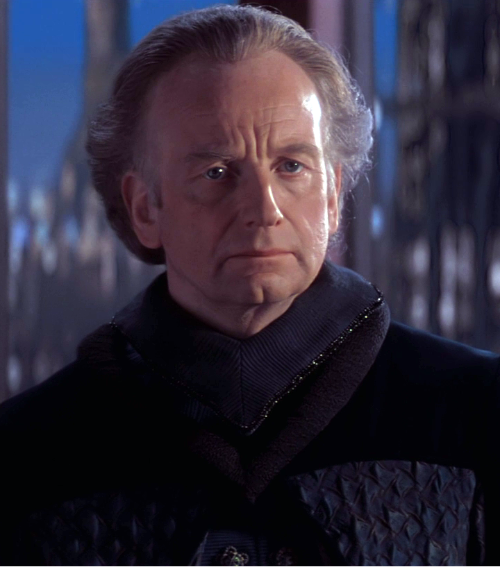
The current Minister of Commerce was appointed to the position at the beginning of the Elected Larry Williams Administration, was kept on board after the passage of the Parliamentary Bill that created the Office of the Supreme Emperor as permanent "family line inherited" position.